A few things we’re great at
Facades are a statement – not just a skin
The façade is the most complex, critical and communicative element of architecture. It is simultaneously a climate envelope, a power station, a communication surface and a statement. Anyone working on façades today must be capable of more than just creating beautiful designs: technology, sustainability, digitalisation and social responsibility are essential. A good façade is not a product of chance, but the result of knowledge, courage and a clear stance. Those who build them take on responsibility – for the building, for its users and for society. And that is precisely what makes architecture more exciting today than ever before.
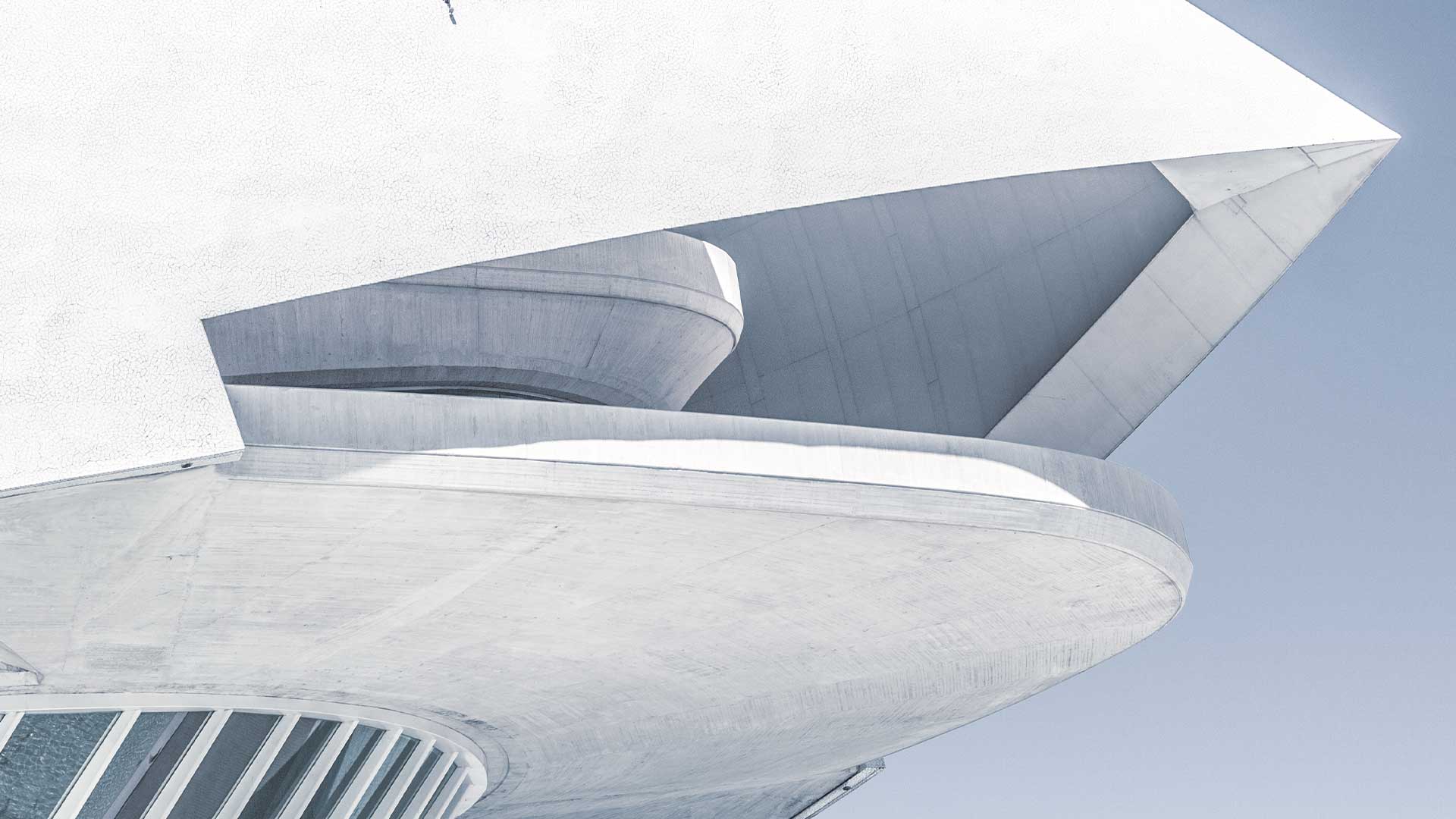
What makes a good façade?
Good façade it is the interplay between the architectural skin and the underlying philosophy that determines whether a building is more than just an Instagram backdrop. Anyone designing façades today must not only create but also think – in terms of material cycles, data streams, energy flows and social messages. The façade has long been the most complex component of architecture.
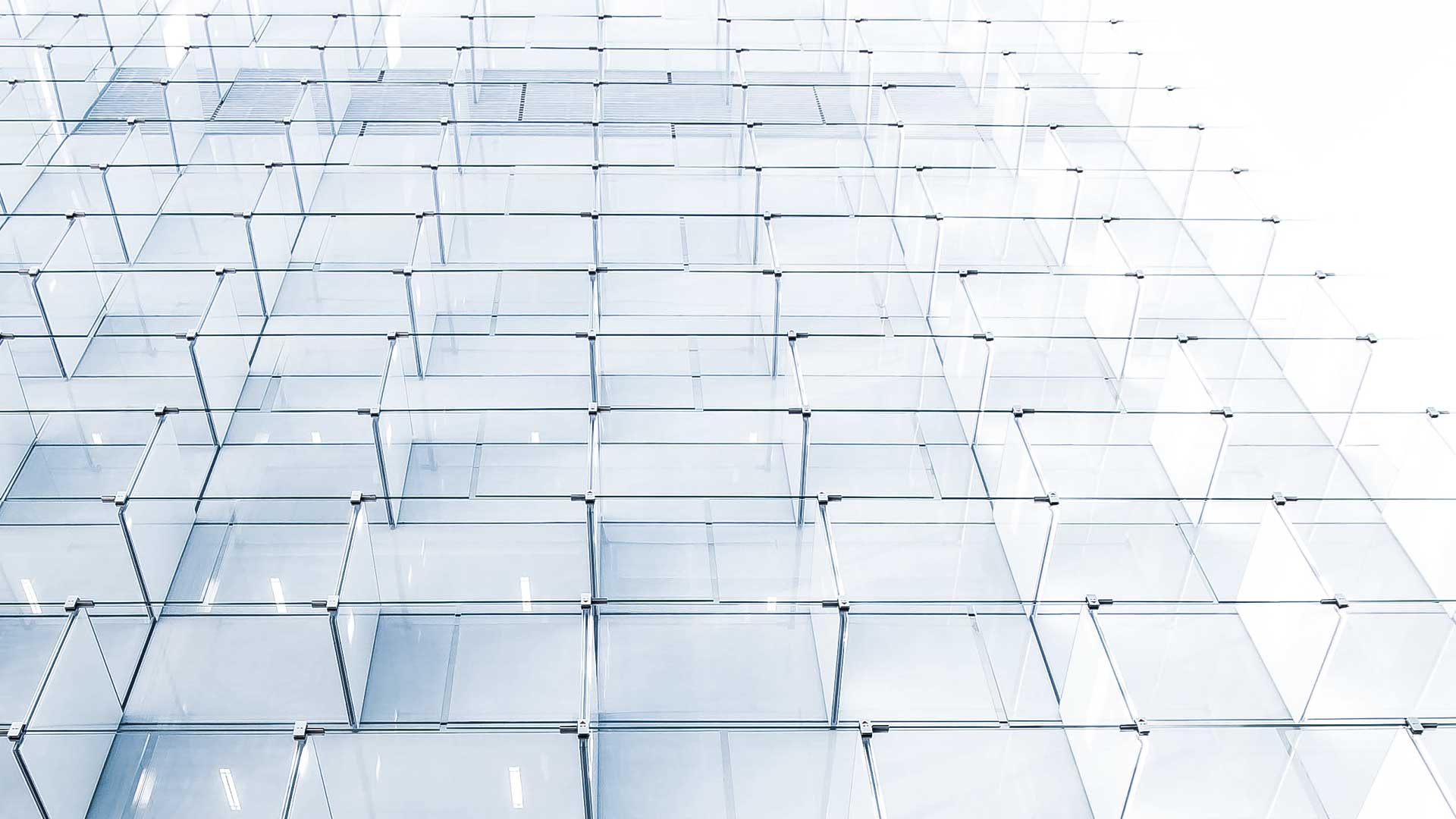
Architecture’s face
The facade remains the face of architecture. It mediates between inside and outside, between private and public, between architectural art and developer logic. In current architectural production, it is often the only element from which a stance can be discerned – because floor plans and construction are often dictated by investors, standards, and software. The facade thus remains the last place where architects can still express their position.
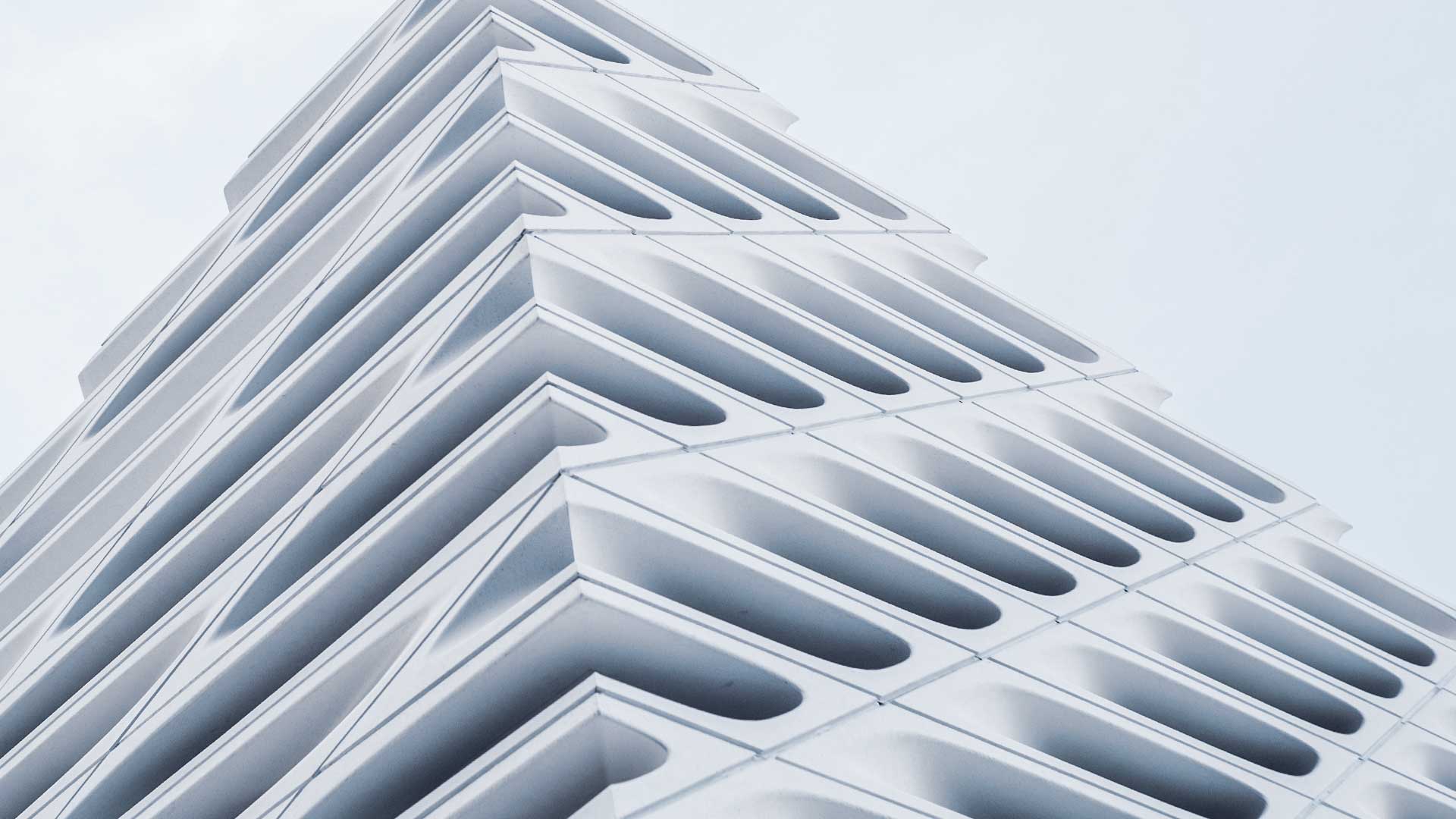
Render vs Reality
Anyone searching for „facades” on Instagram today will find a flood of renderings that have little to do with real buildings. The facade becomes a surface, a filter, a brand. But anyone who thinks that’s enough has underestimated the complexity of the topic: Because a good facade begins where the pose ends and the performance begins.
What architects need to know today
Designing a good façade is now a full-time job – and requires more than just a flair for design. Building physics, materials science, digitalisation, production processes, installation procedures, maintenance concepts, certifications – the list of requirements is endless.
Anyone who wants to succeed here must know standards, guidelines, funding schemes and innovations inside out. At the same time, the market is demanding ever more bespoke solutions that can no longer be ordered from a catalogue. Tailor-made façades are in demand – and the potential for errors is increasing.
Technical expertise is one thing. The willingness to take responsibility is another. The façade is the most visible element of a building – and therefore also the one most heavily criticised. Errors in planning or execution become public knowledge immediately. Whether it’s external thermal insulation composite systems that flake off after a few years, photovoltaic modules that lie in the shade, or high-tech glass that dazzles more than it protects – the list of façade mishaps is long. To succeed in this field, you need experience, the courage to innovate and a willingness to learn from mistakes.